
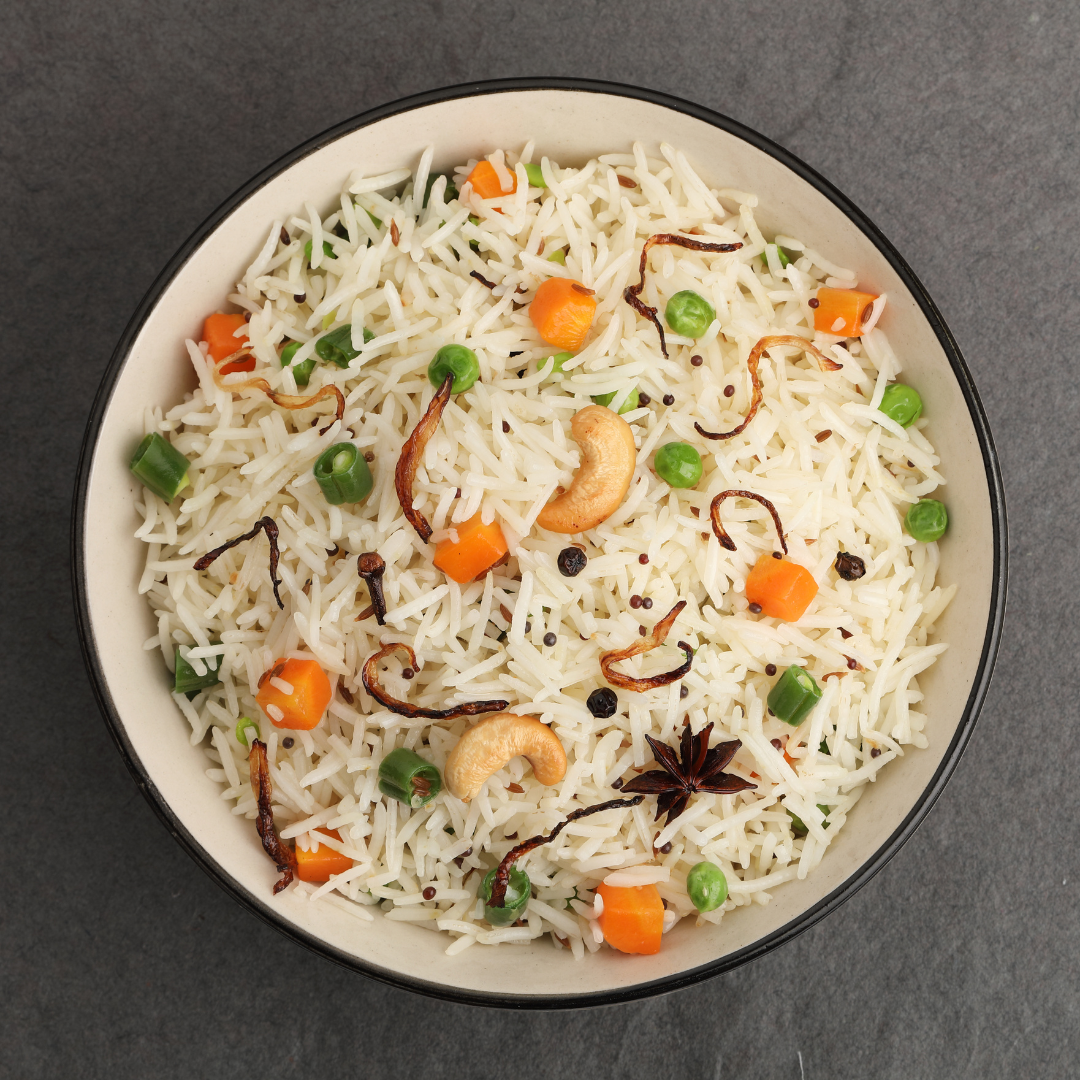
Rediscovering the aromatic mystery of Indian heritage
🌿 A Spice Wrapped in History
Ever opened a royal recipe or stumbled across a spice blend only to find a mysterious name—Kawab Chini? If you're wondering what it is, you're not alone. This rare spice, once a prized treasure in royal Mughal kitchens, has quietly faded into the background in modern Indian homes.
But today, Welza Foods brings this forgotten gem back into the spotlight.
🧭 So, What Exactly is Kawab Chini?
Kawab Chini, also known as Cubeb Pepper or Java Pepper, is a dried fruit that looks a bit like black pepper, but with a distinct tail—almost like a tiny stem. It has a warm, slightly bitter, and camphor-like aroma that is unmistakably different from your everyday black pepper.
It originates from Indonesia but was widely traded and used in Mughal, Arab, and Persian cuisines, especially in kebabs, spice blends, and medicinal preparations.
👑 A Staple in Royal Kitchens
Back in the day, Kawab Chini was:
A key ingredient in kebab masalas
Used to flavor meats without overpowering them
Combined with cloves, cinnamon, and mace for regal spice mixes
Valued for its digestive and medicinal properties in Ayurvedic systems
Its name literally means "Pepper for Kebabs" — a testament to its prime use in marinated meats and tandoori preparations served to royalty.
🍖 Flavour Profile: Not Just Heat
Unlike black pepper, Kawab Chini:
Has a woody, slightly minty aroma
Offers bitterness and warmth, without overwhelming pungency
Leaves a cooling aftertaste, making it unique among spices
Its profile makes it perfect for deeply layered gravies, Mughlai dishes, and of course — kebabs.
🌟 How to Use Kawab Chini Today
If you're curious to experiment, here are 5 ways to use Kawab Chini in your modern kitchen:
In Garam Masala – Add a few dried berries while grinding your homemade mix.
For Marinades – Crush and mix with yogurt, garlic, and lemon for a bold kebab base.
In Biryanis – Toast a couple of berries with whole spices to start your rice dish.
In Spice-Infused Oils – Fry them gently to add depth to oil-based gravies.
In Chai – Yes, just 1 or 2 in your masala chai gives a mysterious warming note.
💡 Did You Know?
Kawab Chini was often used in Unani medicine for treating digestive issues.
It was once banned in Europe due to its supposed aphrodisiac qualities — adding to its mystique.
Though less common now, it is still found in traditional spice shops and heritage spice blends.
🏺 Welza Brings Kawab Chini Back
At Welza, we’re passionate about reviving the heritage of Indian spices. Our premium-grade Kawab Chini is sun-dried, hand-picked, and packed to preserve its rare aroma and strength.
With Welza Kawab Chini, you're not just cooking—you’re time-traveling through spice routes and royal kitchens.
✨ Final Thoughts
Kawab Chini may have faded from everyday use, but it remains a spice of legends—bold, mysterious, and rooted in India’s culinary history. Bring it back to your shelf and your spice blends, and let its forgotten flavor tell a story in every bite.
Share: